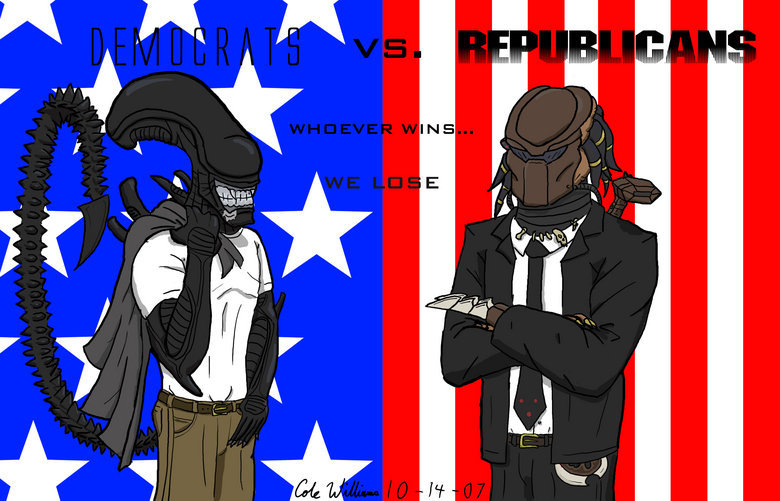
Nice Halloween pic I found...and sadly kind of true
We are a week away from election day and have had a month full of debates. Discussions featuring big bird, malarkey, finger pointing, plenty of he said _______& no I didn'ts, binders of women, sub par moderators, a veeps perfect smile, and a president's nap time/anniversary. Throughout it all I have become more and more convinced that neither Barry nor Mitt are the man for me. And I'll tell you why.
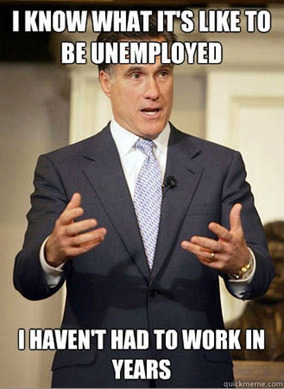
Mitt Romney
There was a small window in which Mr Romney could have won me over. The US economy has not gained any kind of real traction in the last four years. Mitt is a business man with state executive experience plus I am a white male Mormon probably his numero uno demographic of support. Yet he missed the boat. While declaring our national debt as THE most important issue he wants to increase military spending (regardless that our military is by far the largest in the world). He seems to desire a fight with China and Iran among others. Mitt speaks of lower taxes for the wealthiest Americans (despite them being on the low side historically already) and says he will make up for it in cuts with little to no details despite axing big bird. He has flip flopped on abortion, LGBT equality, and climate change. In fact Romney vows to tear down many environmental protections that have been implemented over the last couple of decades (by both right and left) many he once supported. Mitt will strike down Obamacare on his first day of office despite it being modeled after his baby Romneycare. He is not the most skilled politician and seems to lack the common sense necessary to choose his words, a critical tool set in world wide diplomacy. So no I do not think Mitt's it for me.
There was a small window in which Mr Romney could have won me over. The US economy has not gained any kind of real traction in the last four years. Mitt is a business man with state executive experience plus I am a white male Mormon probably his numero uno demographic of support. Yet he missed the boat. While declaring our national debt as THE most important issue he wants to increase military spending (regardless that our military is by far the largest in the world). He seems to desire a fight with China and Iran among others. Mitt speaks of lower taxes for the wealthiest Americans (despite them being on the low side historically already) and says he will make up for it in cuts with little to no details despite axing big bird. He has flip flopped on abortion, LGBT equality, and climate change. In fact Romney vows to tear down many environmental protections that have been implemented over the last couple of decades (by both right and left) many he once supported. Mitt will strike down Obamacare on his first day of office despite it being modeled after his baby Romneycare. He is not the most skilled politician and seems to lack the common sense necessary to choose his words, a critical tool set in world wide diplomacy. So no I do not think Mitt's it for me.
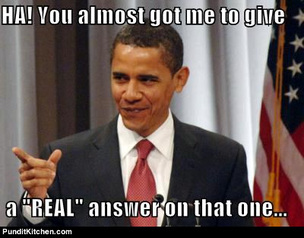
Barack Obama
Where Mitt had a small opportunity for my support I was Barack's to lose. In 2008 I was not able to vote for him as I was teaching English in South Korea but my wife and I spent our evenings calling people back in the states via Skype to get out and support this inspiring, charismatic champion of hope.
I would not say his first term has been abysmal as he has made steps in the right direction yet overall I have been left disappointed. The economy and unemployment rate have only minimally improved while the federal debt has increased dramatically (continuing the Bush policies for four years!) He now argues that he is the candidate who will drill more oil despite promising at the beginning of the term to have climate change as a key issue. Barry has done the bare minimum in prosecuting the corrupt financial sector or making any kind of significant changes. He has deported undocumented folks at a faster rate than his predecessor all the while saying he is fighting for key immigration reform with nothing to show for it. He championed a health care plan that neither the right or the left is happy with and the financial ramifications are totally up in the air. At debates he seems disinterested at worst and even at his best times doesn't have any substantial plans for the next four years. Barack may be a smooth politician, excellent orator, and at times inspiring but when the rubber meets the road I'm usually left longing for more.
Why?
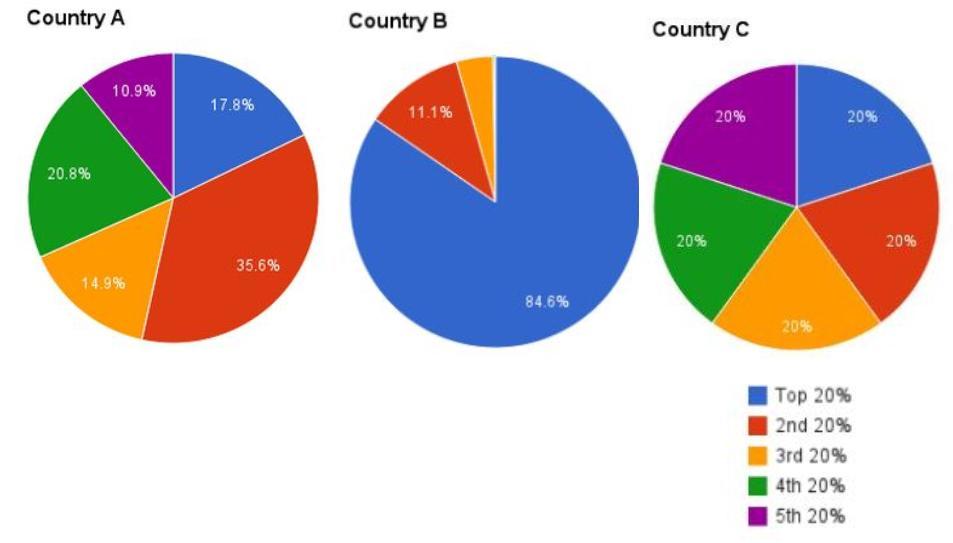
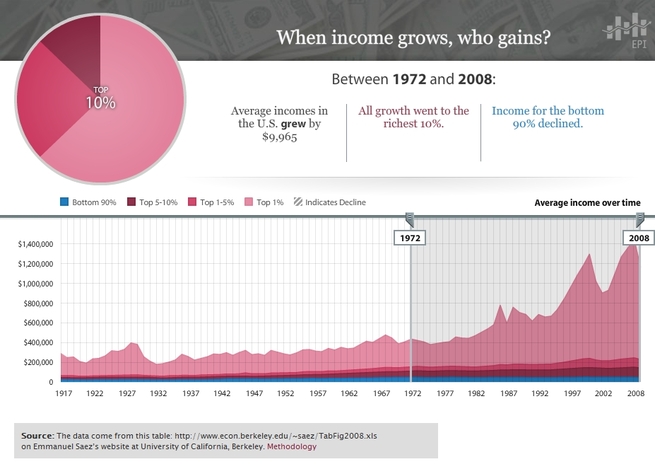
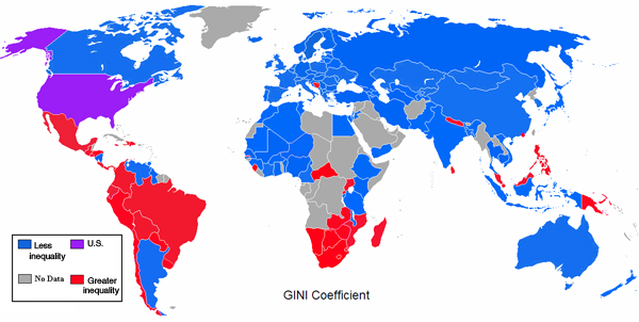
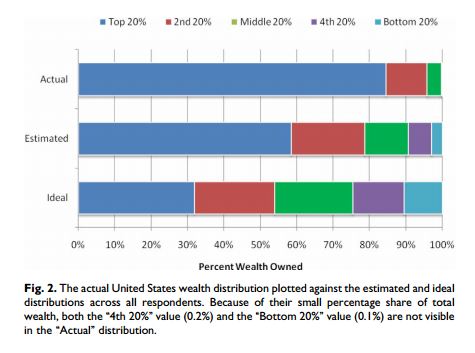
Our country is a plutocracy governed by the wealthy with the interests of the wealthy as the paramount concern. If you challenge this idea ask yourself over the last several decades who has benefited by any increases in economy? Overwhelming the top 10% (and especially the top 1). Who wins when court cases like Citizens United are decided? Did any of us normal folks even desire something such as this to begin with? Both candidates are nearing $1 billion in spending for the election with the majority of contributions coming from large donors and corporations. And I don't care who you are but in a country where every vote and voice is supposed to matter equally I can't imagine a voice with a $50 donation has as much influence as one with six figures or more. Washington is completely saturated with lobbyists and special interests (see 10 of the largest) who's interests, believe it or not, are not always square with those of the average American. This is the root cause of the dysfunction in our capital, why our military remains enormous despite trillions of debt, why we imprison a higher percentage than the Soviet Union or red China, a key cause of the financial collapse/recession, why real immigration reform and changes in the War on drugs do not occur, why all of our media and food is controlled by a handful of individuals, why only two candidates get debate exposure, why we have more families go bankrupt due to sickness than any other country, and why climate change science is challenged and not discussed at a single debate. All issues of critical concern for the average American yet often at odds with some individual or industry's bottom line.
Barack Obama and Mitt Romney are not bad dudes. I am an optimist that looks for the best in people and I believe that they both are trying to do what they sincerely think is best for our country. Unfortunately they are working in a broken system with entrenched powerful interests that have perfected dividing the American people in whom the power is supposed to reside. And neither seem to have any kind of plan to change the status quo and until they do neither this voice nor my vote will lend its support but will rise up in opposition until we see systemic change that benefits the American people.
Next time election part II, libertarians, greens and more...
Where Mitt had a small opportunity for my support I was Barack's to lose. In 2008 I was not able to vote for him as I was teaching English in South Korea but my wife and I spent our evenings calling people back in the states via Skype to get out and support this inspiring, charismatic champion of hope.
I would not say his first term has been abysmal as he has made steps in the right direction yet overall I have been left disappointed. The economy and unemployment rate have only minimally improved while the federal debt has increased dramatically (continuing the Bush policies for four years!) He now argues that he is the candidate who will drill more oil despite promising at the beginning of the term to have climate change as a key issue. Barry has done the bare minimum in prosecuting the corrupt financial sector or making any kind of significant changes. He has deported undocumented folks at a faster rate than his predecessor all the while saying he is fighting for key immigration reform with nothing to show for it. He championed a health care plan that neither the right or the left is happy with and the financial ramifications are totally up in the air. At debates he seems disinterested at worst and even at his best times doesn't have any substantial plans for the next four years. Barack may be a smooth politician, excellent orator, and at times inspiring but when the rubber meets the road I'm usually left longing for more.
Why?
Our country is a plutocracy governed by the wealthy with the interests of the wealthy as the paramount concern. If you challenge this idea ask yourself over the last several decades who has benefited by any increases in economy? Overwhelming the top 10% (and especially the top 1). Who wins when court cases like Citizens United are decided? Did any of us normal folks even desire something such as this to begin with? Both candidates are nearing $1 billion in spending for the election with the majority of contributions coming from large donors and corporations. And I don't care who you are but in a country where every vote and voice is supposed to matter equally I can't imagine a voice with a $50 donation has as much influence as one with six figures or more. Washington is completely saturated with lobbyists and special interests (see 10 of the largest) who's interests, believe it or not, are not always square with those of the average American. This is the root cause of the dysfunction in our capital, why our military remains enormous despite trillions of debt, why we imprison a higher percentage than the Soviet Union or red China, a key cause of the financial collapse/recession, why real immigration reform and changes in the War on drugs do not occur, why all of our media and food is controlled by a handful of individuals, why only two candidates get debate exposure, why we have more families go bankrupt due to sickness than any other country, and why climate change science is challenged and not discussed at a single debate. All issues of critical concern for the average American yet often at odds with some individual or industry's bottom line.
Barack Obama and Mitt Romney are not bad dudes. I am an optimist that looks for the best in people and I believe that they both are trying to do what they sincerely think is best for our country. Unfortunately they are working in a broken system with entrenched powerful interests that have perfected dividing the American people in whom the power is supposed to reside. And neither seem to have any kind of plan to change the status quo and until they do neither this voice nor my vote will lend its support but will rise up in opposition until we see systemic change that benefits the American people.
Next time election part II, libertarians, greens and more...

 RSS Feed